


Should I Replace My Gas Boiler with a Heat Pump? What Every Homeowner Needs to Know
29th June 2026
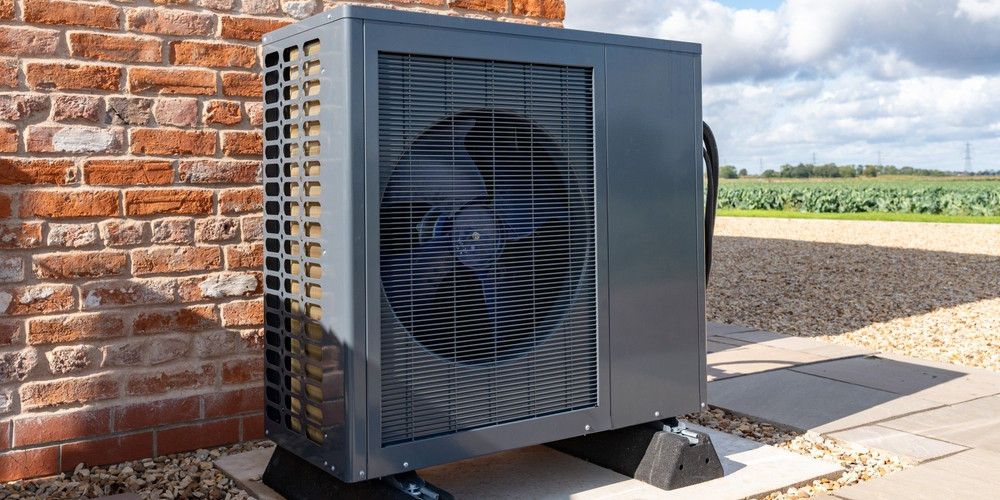
With rising energy costs, growing interest in low-carbon heating and government grants available, more homeowners are considering replacing their gas boiler with an air source heat pump.
But is your home suitable? Will it still keep your house warm in winter? Do you need to replace all your radiators? And what happens to your hot water?
If you've been asking yourself these questions, you're certainly not alone. Here's what you need to know before making the switch.
Many Homes Are Already Well Suited to a Heat Pump
One of the biggest misconceptions is that heat pumps only work in brand-new eco homes.
In reality, many newer homes are already well suited to an air source heat pump thanks to improved insulation standards, modern glazing and better overall energy efficiency. Older homes can also be suitable, although they may require additional upgrades.
The first step is always a professional heat loss survey. This assesses how much heat your home loses and ensures the heat pump is correctly sized for your property. Suitability depends on the individual property rather than its age alone, which is why this assessment is so important.
Replacing a System Boiler Doesn't Mean Losing Your Hot Water
If your home currently has a system boiler, you're already one step closer than many homeowners realise.
Unlike combi boilers, system boilers already work with a hot water cylinder. Air source heat pumps also use a hot water cylinder to provide domestic hot water, meaning your existing heating setup may require fewer changes than you expect.
Your installer will assess whether your current cylinder is suitable for use with a heat pump. In some cases it can remain, while in others it may be replaced with a cylinder specifically designed to maximise heat pump performance.
In most installations, the gas boiler is removed altogether, with the heat pump providing both your central heating and hot water.
A Heat Pump Can Heat Your Entire Home
Many people wonder whether a heat pump can keep the whole house warm, especially during colder weather.
The answer is yes.
When correctly designed and installed, an air source heat pump is intended to heat your entire home, just like a traditional central heating system.
The main difference is that heat pumps work most efficiently by circulating water at lower temperatures than a gas boiler. Rather than producing short bursts of very hot water, they provide a steady, consistent level of heat, helping maintain a comfortable indoor temperature throughout the day.
Do You Need New Radiators?
Another common myth is that every radiator has to be replaced when installing a heat pump.
Fortunately, that's often not the case.
Many homes can continue using some or even all of their existing radiators. The deciding factor isn't necessarily the age of the radiators, but whether they're large enough to provide sufficient heat at the lower flow temperatures used by a heat pump.
As part of the installation process, a room-by-room heat loss calculation will determine whether each radiator is suitable.
Depending on the results:
- You may not need to replace any radiators.
- You may only need to upgrade one or two radiators in larger or colder rooms.
- Some homes may benefit from replacing more radiators if the existing ones are undersized.
A reputable installer should always explain why any radiator upgrades are recommended rather than simply replacing everything as standard.
Can a Heat Pump Cool Your Home Too?
Because the outdoor unit looks similar to an air-conditioning unit, many people assume it will also cool the house during summer.
In most cases, this isn't true.
The majority of domestic air source heat pumps installed in the UK are designed to provide heating and hot water only.
Some heat pumps can provide cooling, but this depends on the model installed and whether the rest of the heating system has been designed to support cooling. Standard radiators are not designed to cool rooms effectively, so additional equipment is often required if cooling is a priority.
If you'd like both heating and cooling, it's worth discussing this with your installer before deciding which system is right for your home.
How Much Does It Cost to Replace a Boiler with a Heat Pump?
The total cost depends on your property and whether any additional work is required.
A typical air source heat pump installation generally costs between £9,000 and £15,000 before any available government funding.
Eligible homeowners in England and Wales may be able to reduce the upfront cost through the Government's Boiler Upgrade Scheme, which currently provides grants of up to £7,500 towards eligible heat pump installations. The scheme is currently due to run until the end of 2027, although future government funding is always subject to change.
Your quotation should include everything required for the installation, including any recommended radiator upgrades, hot water cylinder replacement, electrical work or system improvements identified during the survey.
Is a Heat Pump Right for Your Home?
Every property is different, which is why there is no one-size-fits-all answer.
A heat pump can be an excellent solution for many homes, particularly those with good levels of insulation. Older properties can also benefit, although they may require improvements such as additional insulation or heating system upgrades to achieve the best results.
The key to a successful installation is not simply choosing a heat pump, it's ensuring the entire heating system has been properly designed around your home.
If you're considering replacing your boiler, speak to a qualified installer who can carry out a detailed heat loss survey and explain the options available to you. Making an informed decision now can help improve comfort, reduce energy use and prepare your home for the future.